To incorporate holistic mental health into an aging person's care plan, focus on integrating physical activity, cognitive stimulation, social connection, emotional support, and spiritual practices into their daily routine. It is a comprehensive approach that addresses the mind, body, and spirit by including activities, such as exercise, hobbies, and therapy, while ensuring basic needs, like a healthy diet and a safe environment, are met.
Approximately 1 in 5 seniors have mental health issues not related to normal aging, according to the University of Utah Health. Almost 63% of them do not receive needed treatment due to the belief that their condition is a part of aging, stigma, lack of awareness, and physical or financial barriers. There may also be a shortage of accessible services in their area.
In cases where a diagnosis is made, treatments that incorporate holistic mental health can be extremely beneficial. It is a whole-person approach that considers mental, emotional, physical, spiritual, and social well-being rather than solely focusing on symptoms. It integrates traditional therapies with lifestyle changes and other practices to address the root causes of mental health struggles and promote overall wellness.
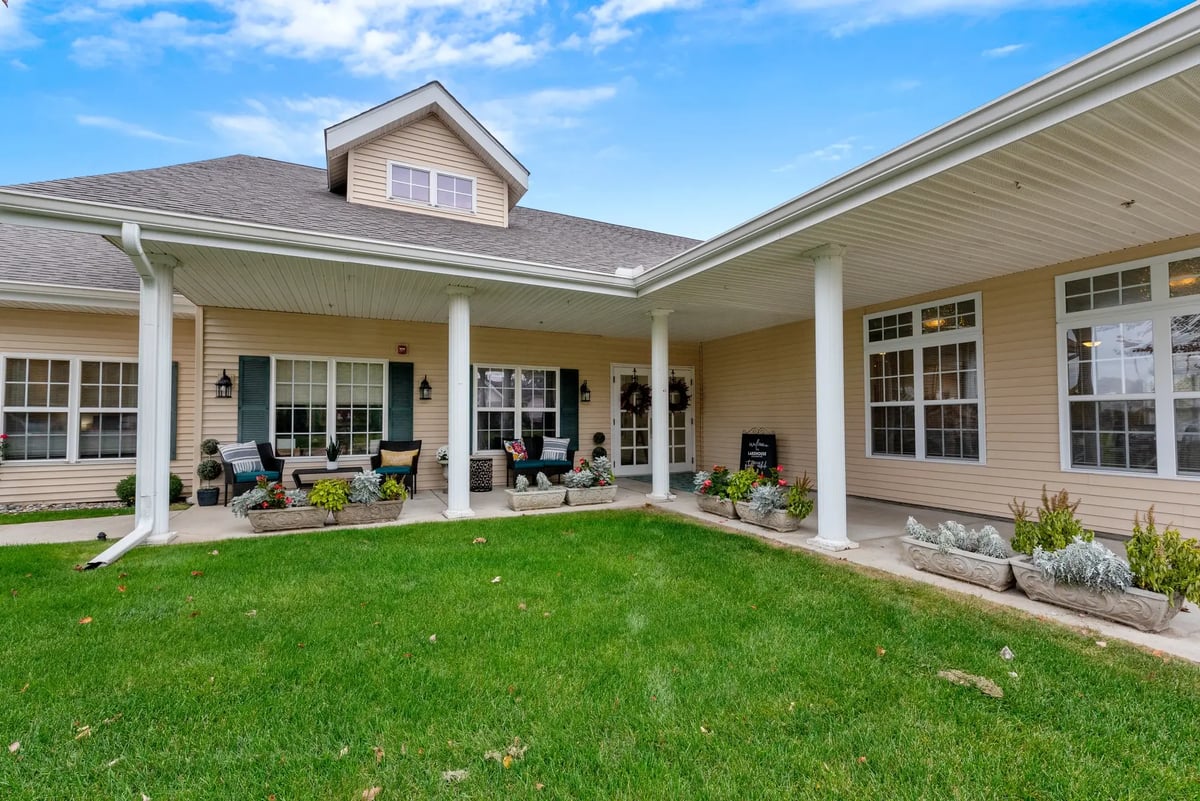
Coldwater, Michigan, offers an ideal environment for this type of care, with options for seniors to exercise along the Kalamazoo Nature Center trails or gain spiritual focus and mental clarity through inspirational art and hobbies at assisted living communities like LakeHouse Coldwater.
Understanding Holistic Mental Health in Aging
Holistic mental health focuses on the interconnectedness of a person's physical, emotional, social, and spiritual dimensions rather than just treating symptoms. This comprehensive approach recognizes that a person's mental and emotional state is influenced by, and also influences, their physical health, relationships, and sense of purpose or spirituality, and can help seniors dealing with mental health issues.
Seniors encounter unique mental health challenges from factors such as loss, grief, social isolation and loneliness, as well as the general decline in their physical health. Carolina Dunes Behavioral Health notes that these challenges can include:
- Depression
- Anxiety
- Dementia
Aging can be accompanied by cognitive changes that affect mental wellness in seniors, who may also experience significant stress due to concerns about things such as pensions, inheritance, future care, and end-of-life planning. A holistic mental health approach can improve seniors' quality of life and independence by addressing their physical, mental, and social well-being, promoting better physical health and cognitive function while also reducing stress.
What Are the Components of a Holistic Mental Health Care Plan?
Holistic mental health treatment involves integrating personalized care plans, preventive services, and a focus on community and spiritual support in care. Components of a holistic mental health care plan include:
- Comprehensive assessments: physical health, cognitive status, emotional well-being, social connections, and environment
- Personalized interventions: therapy, medication management, social engagement, mindfulness, and physical activities
- Spiritual Engagement: for those who find meaning in them- prayer, spiritual gatherings, or connecting with nature
Implementing safety modifications and creating a supportive living environment are crucial components of the plan as they address both physical and psychological needs, fostering security, promoting healing, and enabling open communication. It may include:
- Minimizing noise
- Maximizing natural light
- Creating tidy and sleep-friendly spaces
The plan should be regularly monitored and reassessed so it can be adapted to meet an individual's changing needs.
Role of Multidisciplinary Teams and Family Involvement
Collaboration can also be cited as an important component of mental wellness and elder care, as it helps ensure shared decision-making centered on the senior's preferences and goals. It should include discussions with the patient and:
- Healthcare professionals
- Mental health specialists
- Caregivers
- Family
Community resources, including The Senior Alliance and local Community Mental Health (CMH) Services, can also provide support.
The strong connection between emotional health and aging highlights the importance of integrating mental health into routine medical care for early identification and intervention.
What Are Practical Strategies to Incorporate Holistic Mental Health into Care Plans?
In addition to focusing on the interconnectedness of the dimensions of wellness, other practical strategies can help incorporate holistic mental health into care plans. They include:
- Developing individualized care plans that respect values, history, and cultural background
- Encouraging daily routines that provide purpose and social interaction
- Promoting activities that foster emotional resilience, like mindfulness, hobbies, and community participation
- Leveraging technology for monitoring mental health and enhancing communication
This provides the balance a senior needs to manage or overcome mental health issues.
Frequently Asked Questions
What Is the Holistic Approach in Aged Care?
The holistic approach in aged care is a comprehensive model that addresses the 'whole person,' considering physical, emotional, mental, social, and spiritual well-being, not just medical needs. It involves creating individualized care plans that integrate lifestyle choices, social activities, and complementary therapies to enhance quality of life, promote independence, and maintain dignity.
How Does Aging Impact Mental Health?
Aging impacts mental health through a combination of factors, including physical and social changes, like isolation, loss, and chronic illness, alongside hormonal and neurological shifts. These can increase the risk of conditions, such as depression, anxiety, and cognitive decline, but effective treatments exist.
What Is an Example of Holistic Care in Mental Health?
An example of holistic care in mental health is a program that combines traditional therapy with lifestyle changes, including a healthy diet, exercise, and mindfulness practices, like yoga and meditation. This integrated approach treats the mind, body, and spirit by incorporating other therapies, such as art or massage therapy, and focuses on overall well-being beyond just managing symptoms.
Prioritizing Holistic Mental Health in Aging Plans
With the prevalence of mental health issues among seniors, caregivers, and healthcare providers should prioritize holistic mental health in aging plans. This continuous, person-centered, and adaptive mental health care can improve the aging experience.
Personalized care that meets unique needs is not new to LakeHouse Coldwater. It is an approach we have been using to ensure the comfort, convenience, and enjoyment of our residents. We not only offer well-designed living and community spaces, but also amenities that promote physical, mental, emotional, social, and spiritual well-being. When you contact us, you're taking the first step to experiencing quality care that will enhance your daily living.