.jpg?width=960&length=960&name=indoor%20walking%20workout%20(37).jpg)
Coldwater seniors can stay active and maintain balance through an indoor walking workout that strengthens muscles and supports mobility. Walking indoors provides a safe, low-impact way to build strength, improve mood, and sustain winter fitness indoors.
Winter can make staying active challenging for seniors in Coldwater. Cold temperatures and icy sidewalks often discourage outdoor exercise.
However, maintaining physical activity is crucial for health and well-being. According to the Centers for Disease Control and Prevention (CDC), seniors should aim for at least 2½ hours of moderate-intensity exercise per week.
An indoor walking workout offers a safe and effective way to stay active during the colder months. These workouts can improve cardiovascular health, enhance balance, and boost mood. Read on to discover how you can create an indoor walking plan tailored to your needs.
What Is the Best Indoor Exercise for Seniors?
Low-impact exercises like walking, stretching, and gentle strength training rank among the best indoor options for seniors. These movements improve balance, enhance flexibility, and reduce the risk of falls while remaining easy on joints.
Pairing walking with light hand weights or resistance bands can boost strength building and support senior mobility routines. Incorporating these exercises into a daily indoor walking workout ensures consistent movement and helps maintain energy and overall well-being.
How Long Should a 70-Year-Old Walk Each Day?
A 70-year-old can benefit from 20 to 30 minutes of walking daily, either in one session or split into shorter intervals. Consistency matters more than duration, especially for building endurance safely.
Indoor walking routines allow seniors to achieve this goal while avoiding harsh weather hazards. Combining short walks with strength-building movements enhances mobility and overall health, keeping winter fitness indoors achievable. Now, let's look at five core sections to make your indoor walking plan practical and effective.
Preparing Your Space
Create a safe, clutter-free area to walk indoors. Remove rugs or obstacles that could cause trips. Adequate lighting is crucial, especially during shorter winter days.
Consider using supportive footwear and keeping a sturdy chair nearby for balance breaks. You can also include simple props like light weights or resistance bands to enhance strength building.
Before starting your indoor walking workout, focus on key safety measures:
- Clear floors
- Good lighting
- Supportive shoes
- Chair nearby
- Light weights
A well-prepared space makes every step safer, encouraging consistency in your indoor walking workout.
Building a Home Walking Plan
Design a structured routine that fits your daily schedule. Start with short intervals, gradually increasing time or pace to avoid strain. Combine walking with low-impact exercise for a full-body benefit.
Tracking progress keeps motivation high and helps measure improvements in balance and endurance. Adjust the plan based on comfort and energy levels to maintain a sustainable winter fitness indoors routine.
Plan your walking sessions carefully with these practical tips:
- Short intervals
- Steady pace
- Strength movements
- Track progress
- Adjust intensity
Consistency in your home walking plan boosts mobility and energy while keeping winter activity manageable.
Incorporating Senior Mobility Routines
Enhance your indoor walking workout by adding gentle stretches and joint movements before and after each session. Focus on ankles, knees, and shoulders to support daily movement.
Simple balance exercises during pauses can reduce fall risks and improve coordination. Integrating mobility routines ensures every walk contributes to strength building and overall wellness.
Include mobility exercises to protect joints and improve balance:
- Ankle circles
- Knee bends
- Shoulder rolls
- Heel raises
- Side steps
Adding mobility routines strengthens joints and supports safe walking for seniors during cold months.
Strength and Balance Training
Strength and balance exercises complement your indoor walking workout, helping seniors maintain independence and prevent injuries. Adding light resistance or simple bodyweight moves increases overall stability and coordination.
Incorporate these exercises to boost strength and improve balance:
- Chair squats
- Heel-to-toe walks
- Arm raises
- March in place
- Side leg lifts
Building strength and balance supports safer, more confident movement during daily activities and walking sessions.
Enhancing Emotional Wellness
Emotional wellness plays a key role in maintaining motivation for indoor walking workouts. Combining gentle movement with mindfulness or deep breathing can uplift mood and reduce stress.
Include simple strategies for overall well-being and safety:
- Deep breathing
- Gentle stretches
- Positive visualization
- Mindful walking
- Fall prevention devices
Frequently Asked Questions
What Are the Benefits of Indoor Walking Workouts for Seniors?
Indoor walking workouts improve cardiovascular health, enhance balance, and boost mood. They offer a safe, low-impact alternative to outdoor exercise during cold or icy weather.
These workouts can also support strength building and joint flexibility when combined with light weights or resistance bands. Incorporating a consistent routine helps seniors maintain mobility and energy throughout the winter months.
How Can Seniors Track Progress Safely?
Keeping a daily log or using a simple pedometer helps monitor steps and walking duration. Tracking ensures consistent activity without overexertion.
Gradual increases in time or intensity allow seniors to build endurance safely. Pairing progress tracking with mobility routines can highlight improvements in balance and strength over time.
What Equipment Is Needed for a Home Walking Plan?
Minimal equipment is required. Supportive shoes, a sturdy chair for balance, and light hand weights or resistance bands are sufficient.
Optional items like non-slip mats or soft flooring enhance safety. Equipment choices should prioritize comfort and stability to prevent falls and support mobility.
How Can Indoor Walking Support Mental and Emotional Wellness?
Movement stimulates endorphins, which can reduce stress and improve mood. Combining walking with deep breathing or mindful pauses enhances emotional wellness.
Creating a routine indoors encourages consistency and helps prevent isolation during colder months. Integrating simple exercises with positive mental focus strengthens both body and mind.
Are There Ways to Prevent Injuries During Indoor Walking?
Yes. Ensure the walking space is clear, well-lit, and free from trip hazards. Use fall prevention devices and maintain proper footwear.
Indoor Walking Workout for Coldwater Seniors
An indoor walking workout keeps seniors active, strong, and balanced during the winter months. Consistent routines improve mobility, build strength, and enhance emotional wellness.
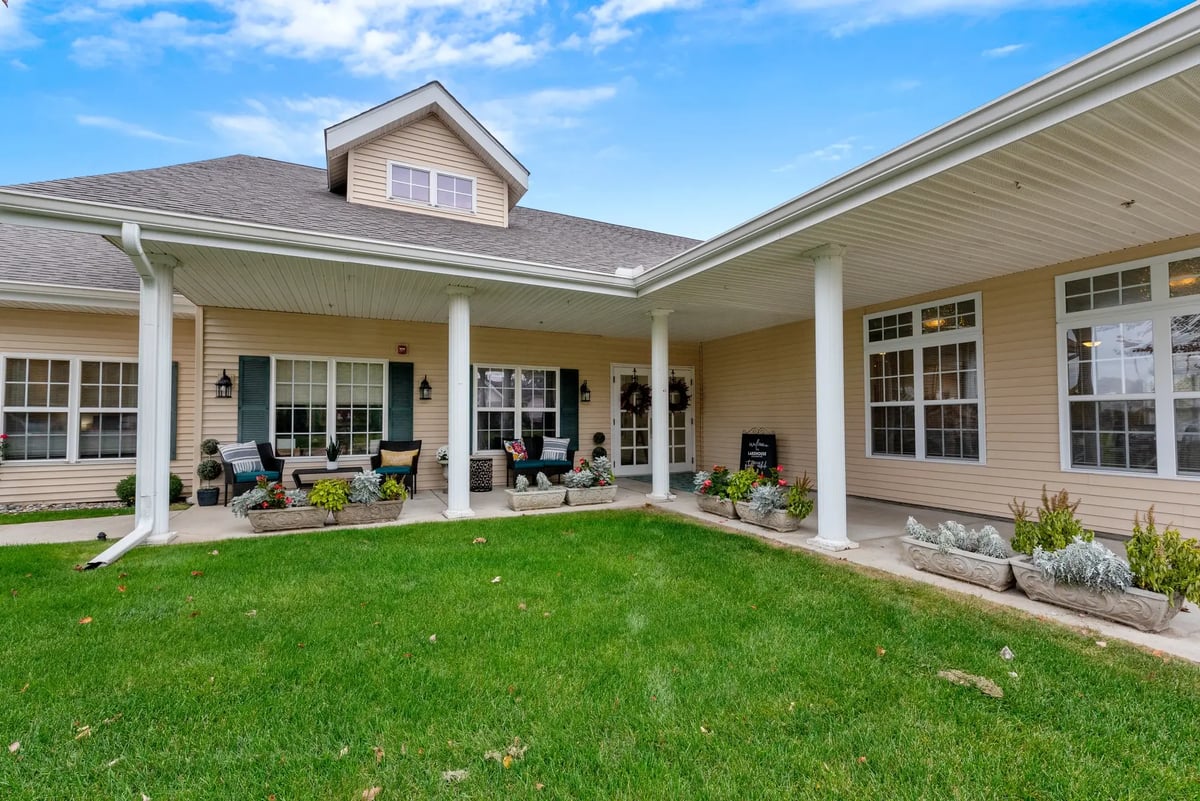
Experience life at LakeHouse Coldwater. Our cozy apartments and welcoming community spaces blend comfort with activity, encouraging seniors to stay active even during chilly Michigan winters.
Engage in tailored wellness programs, join social outings, or explore scenic spots just steps from your door. Visit LakeHouse Coldwater and see how indoor walking workouts transform daily life into movement, energy, and joy.