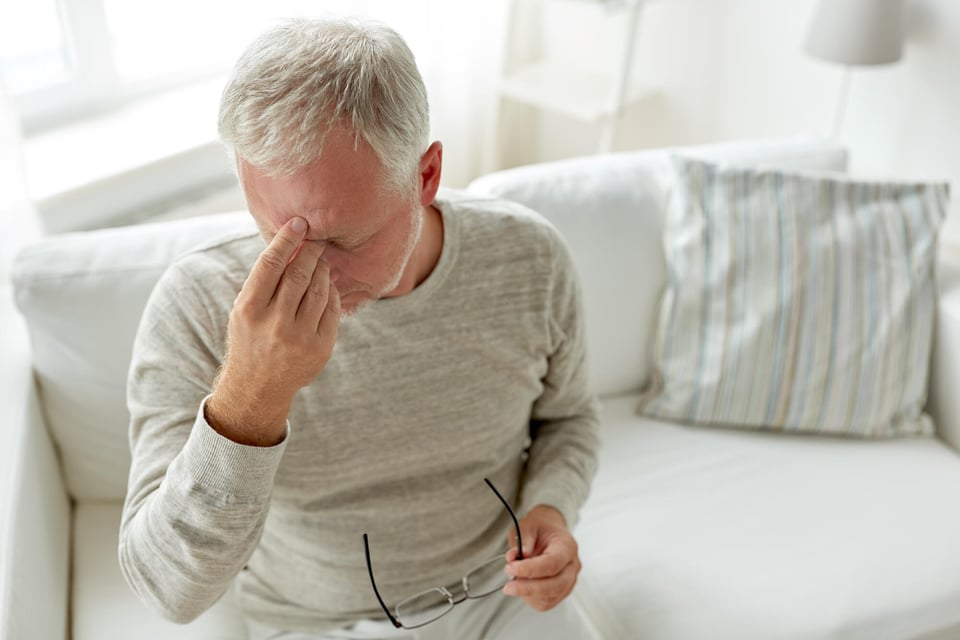
The National Library of Medicine states that around 70% of seniors affected by mood disorders, such as depression or anxiety, don't participate in any mental health services.
This is due in large part to the stigma around mental health, especially in senior age groups. As the central point between the bigger cities of Detroit, Kalamazoo, and Fort Wayne, we want Coldwater to be the arbiter of change.
The first step to positive change is to learn about the issue, understand why it's a problem, and how to work towards a better future. This guide aims to answer all of these questions and give easy actions you can take to fight against this stigma.
Keep reading to learn everything you should know.
What Is the Stigma Around Mental Health?
Although perception and acceptance of mental health issues continue to improve every day, it's still a tricky topic for many people.
In older generations, mental health was under scrutiny as a science. It was often seen as a personal weakness. If a person was suffering from a mental health problem, then they simply needed to 'buck up' and get over it.
These cultural misconceptions can make it almost impossible for seniors to accept a diagnosis without an internal battle.
How Does This Affect Seniors?
It can be difficult for seniors to even realize they may have a mental health issue. Mental health and aging are sometimes grouped into the same category. People think that common mental wellness problems are a symptom that all seniors go through.
You'll often hear the phrase: "It's just a part of getting older".
However, only around 14% of seniors have at least one mental disorder. This means seniors who are suffering from mental health issues need to understand that their experience isn't the normal one.
Ignoring the serious nature of mental health can lead to lasting detriments. It can even make it impossible to tell when someone is in trouble until the situation becomes an emergency.
Internal Bias
When dealing with mental issues, it's easy to blame yourself for all of your problems. It's common for there to be a bias against yourself, leading to a downward spiral of emotions such as:
- Anger
- Frustration
- Sorrow
- Self-hatred
The biggest problem is that this spiral makes it even more difficult for seniors to ask for help. They may not want to feel like a burden or may even think they don't deserve help.
Stopping this internal bias as soon as possible leads to an easier recovery.
Social Isolation
Another issue with the stigma against senior emotional care is the isolation it creates. Many common mental health issues lead to inner turmoil.
Cultural misconceptions and stigmas lead seniors to blame themselves for this turmoil. They often feel as though they're not strong enough or good enough to 'get past' this mental issue.
They'd rather isolate themselves and stay away from even their closest friends. This worsens mental disorders and can cause a decline in physical wellness as well.
How to Overcome the Stigma
The good news is that there are many ways to fight against the stigma around mental health. It's not always an easy road to travel, but the journey can result in better self-appreciation, confidence, and overall happiness.
Improve Mental Health Awareness
Aging stigma education is a great starting point for anyone curious about this topic. Whether you're a senior or someone caring for a senior, increasing your knowledge about mental health is a great stepping stone toward stronger empathy.
This knowledge also aids in:
- Spotting symptoms early
- Creating multiple support systems
- Seeking treatment
- Greater understanding of emotions, both good and bad
- Creating stronger communities
Doing research or taking a class can be a good first step in learning more about mental health. Even searching on the internet for reputable resources can be a big help in furthering your awareness.
Try Mental Wellness Exercises
Similar to physical exercises, mental health exercises can grant many benefits to both your mental health and your understanding of it. If you've never attempted a senior activity catered to improving mental wellness, the time to start is now.
Some beginner-friendly activities include:
- Yoga
- Meditation
- Journaling
- Deep breathing
- Creating expressive art
Make sure to attempt any mental health activity with sincerity. It can feel a little silly at first, but going into the activity with intention can lead to lasting results for your mental health and fortitude.
Participate in Group Wellness Activities
Many group activities can be an asset toward better mental health. Even talking with friends can sometimes be enough to prevent disorders like depression or anxiety.
A great motivator in fighting the stigma around mental health is to find a senior group that focuses on both physical and mental wellness. An assisted living community, for example, can provide a variety of activities that are engaging and fulfilling.
Talk With Your Loved Ones
The people you love and trust the most in the world are a resource you shouldn't ignore. With them, you can have in-depth conversations about emotions and internal struggles.
You could ask them questions about the way you're feeling and how to proceed.
The best part is that you know your loved ones have all your best interests at heart. The evils of a stigma hold no power when you're in a safe space with someone you love or trust.
Seek Professional Assistance
Sometimes the next necessary step is to seek aid from a mental health professional. Set aside any previous stigmas you may once have held against mental health and talk to your doctor about how you're feeling.
It's difficult and can be frightening, but the help a professional can provide is sure to put you on the right path toward better mental health.
Assisted Living Support and Its Role in Better Mental Health
It's difficult to overcome the stigma around mental health alone. The key is to find an assisted living community that not only understands the struggle but also works to make your mental health journey easier.
At LakeHouse Coldwater, you never have to go through a mental health issue alone. Our welcoming community aims to make every resident feel at ease with individual and supportive care plans. We can work together to make mental health improvements one step at a time.
Contact us today to schedule a tour of our Coldwater community.